
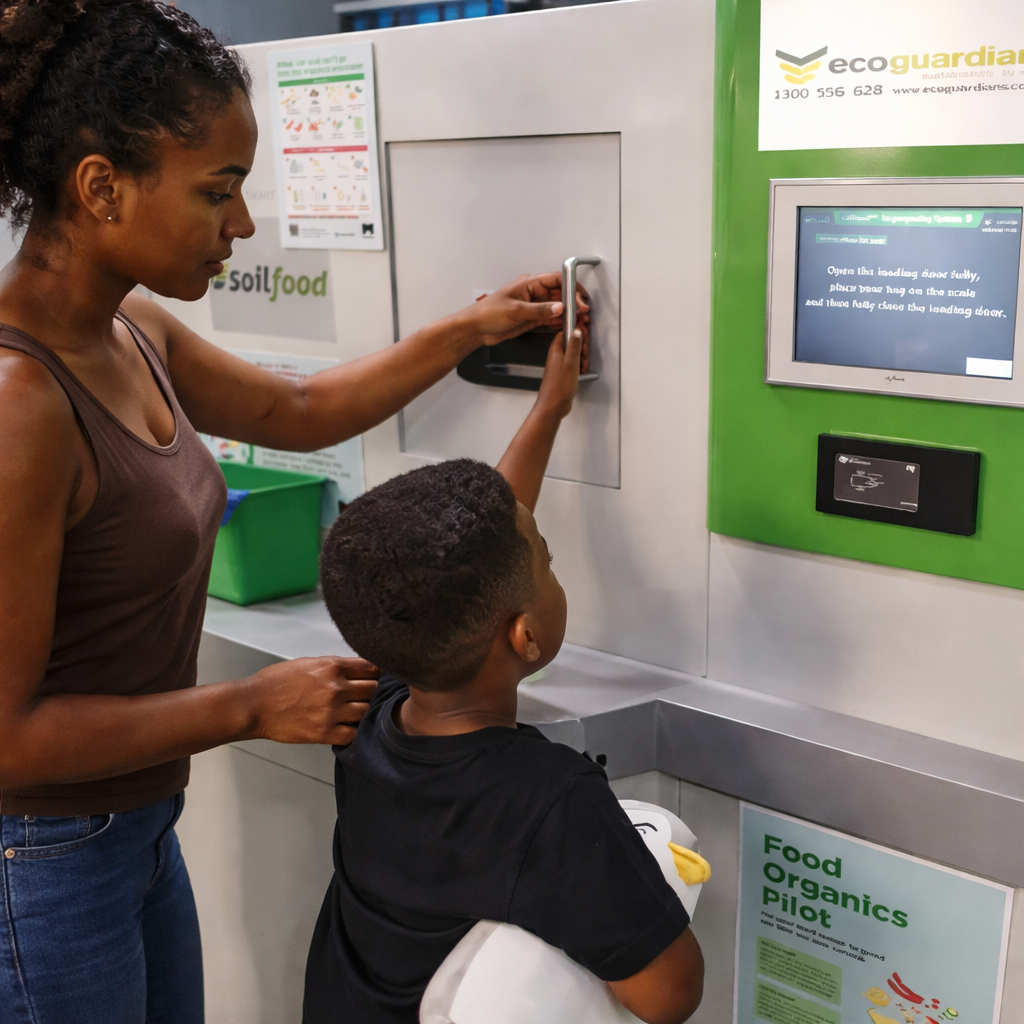
Food waste is one of the most overlooked problems in residential estates today. Every day, apartments generate kilograms of organic waste — most of which ends up in landfills.
What many estate managers don’t realize is that this waste isn’t just garbage. It’s a resource.
With the right system in place, estates can transform food waste into something useful — reducing costs, improving hygiene, and contributing to environmental sustainability.
In this article, we’ll break down the real benefits of recycling food waste in estates and why more residential communities are beginning to adopt this approach.
1. Significant Reduction in Waste Volume
One of the most immediate benefits of food waste recycling is how drastically it reduces waste volume.
Modern waste recycling machines can reduce food waste by up to 85–95%, turning large amounts of waste into a small, manageable output.
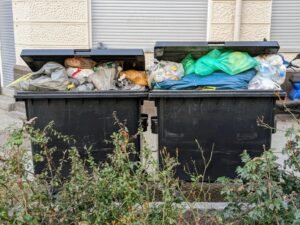
Instead of dealing with overflowing bins and frequent waste pickups, estates can drastically cut down how much waste they generate daily.
According to operational data, apartments can produce more than 4 kilograms of food waste per day per unit, which adds up quickly across an entire estate.
2. Lower Waste Management Costs
Waste disposal is expensive — especially for large estates.
From hiring waste collection services to transporting waste to landfills, the costs add up over time.
By recycling food waste onsite:
- fewer pickups are needed
- transportation costs are reduced
- reliance on external waste services decreases
Over time, this leads to significant operational savings.
3. Improved Hygiene and Cleaner Environment
Food waste is one of the main causes of:
- bad odors
- pests (rats, flies, insects)
- unsanitary living conditions
When waste is processed quickly and efficiently, these problems are drastically reduced.
Modern systems use sterilization, shredding, and drying processes to eliminate bacteria and odors.
4. Conversion of Waste into Valuable Resources
This is where things get interesting.
Instead of throwing food waste away, estates can convert it into:
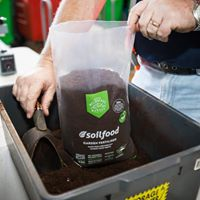
- organic fertilizer
- biomass
- reusable materials
This creates a closed-loop system, where waste is no longer wasted — it becomes useful again.
5. Reduction of Environmental Pollution
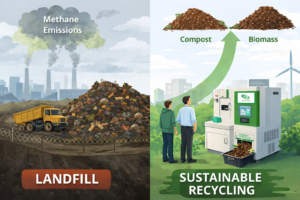
Food waste in landfills produces methane — one of the most harmful greenhouse gases.
By recycling food waste at the source, estates can:
- reduce methane emissions
- prevent landfill overflow
- contribute to climate change mitigation
This is not just an environmental benefit — it’s becoming increasingly important as sustainability becomes a global priority.
6. Supports Sustainable Living in Modern Estates
Today’s residents are becoming more environmentally conscious.
Estates that adopt sustainable systems stand out.
By implementing food waste recycling:
- estates position themselves as eco-friendly
- property value and appeal increase
- residents feel part of a responsible community
It’s no longer just about housing — it’s about lifestyle.
7. Education and Awareness for Residents
Another underrated benefit is awareness.
When estates adopt recycling systems, residents begin to:
- understand waste better
- participate in sustainability efforts
- adopt more responsible habits
Some systems even include training and education for estate communities, helping people see waste differently — not as trash, but as potential.
How the Process Works in an Estate
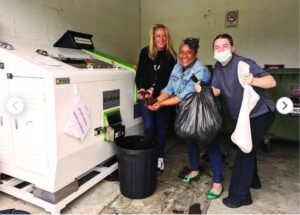
Food waste recycling systems are designed to be simple and efficient.
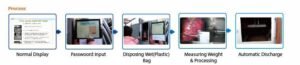
Here’s a typical process:
- Residents dispose of food waste
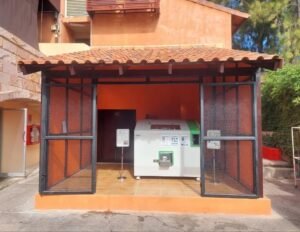
- Waste is collected and fed into the machine
- The system sterilizes, shreds, and dries the waste
- Output is converted into compost or biomass
The entire process is automated and designed for ease of use.
Real Impact: What This Means for Estates
When properly implemented, food waste recycling systems can:
- divert millions of kilograms of waste from landfills annually
- improve sanitation across the estate
- reduce environmental impact
- create useful by-products
This is not just a waste solution — it’s a smarter way to manage resources.
Conclusion
Food waste is a problem every estate faces — but it doesn’t have to remain one.
By adopting modern recycling systems, estates can turn waste into value, reduce costs, and create cleaner, more sustainable living environments.
As more communities begin to embrace this approach, food waste recycling is quickly becoming a standard — not a luxury.
The question is no longer if estates should adopt it… but when.